
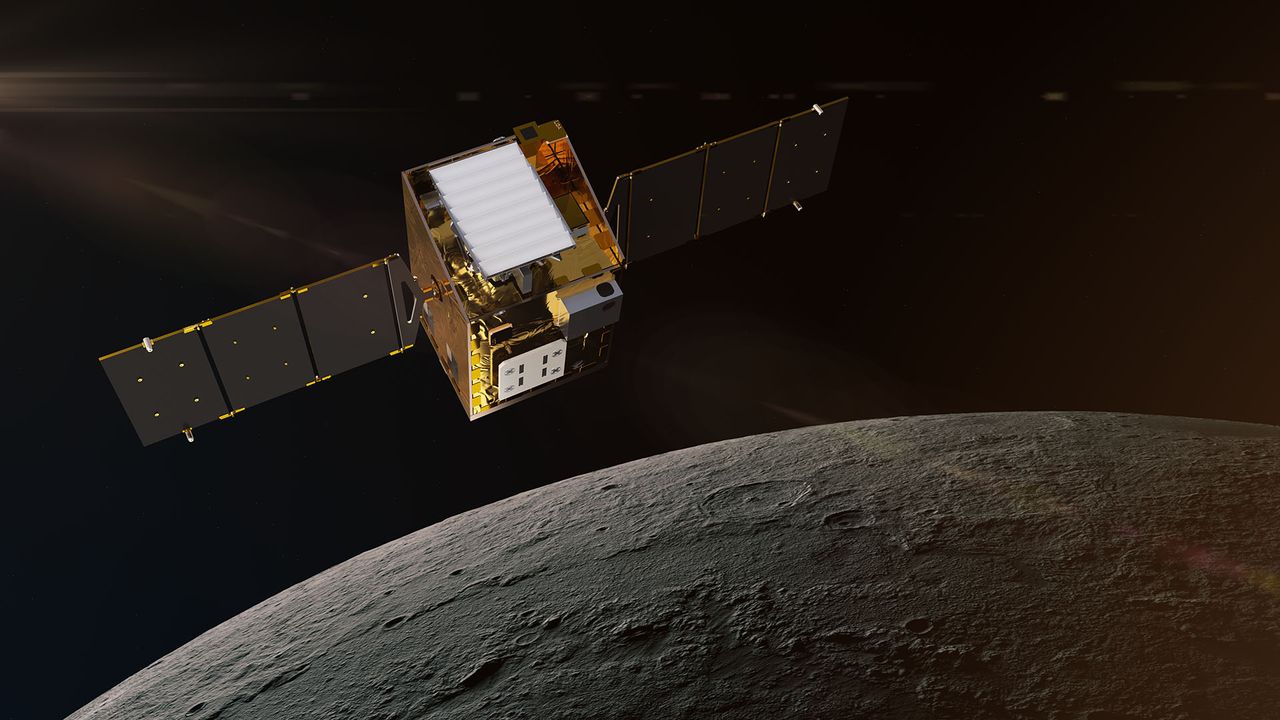
NASA's Lunar Trailblazer Mission Declared Over After Orbiter Fails
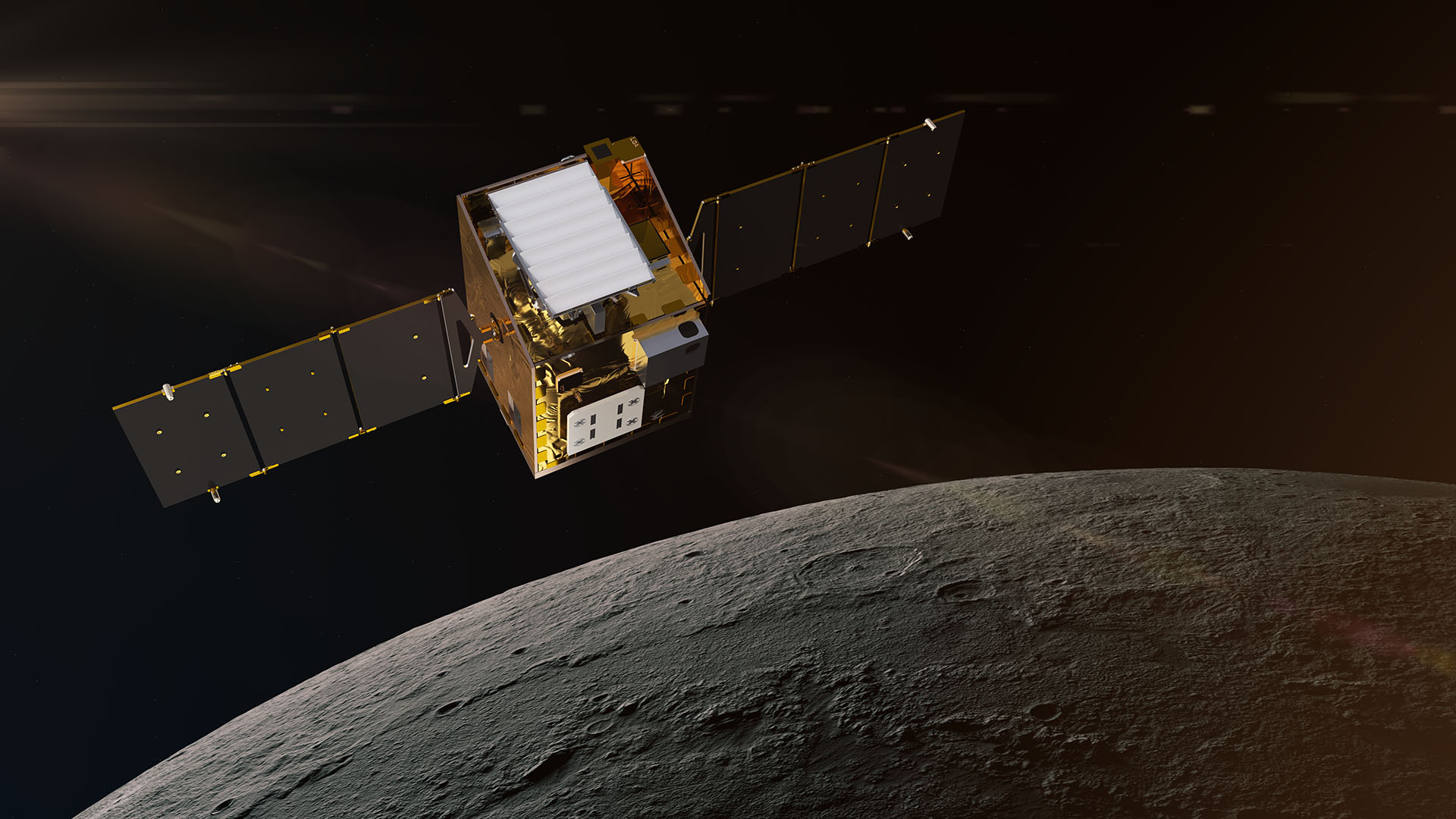
NASA has officially ended the Lunar Trailblazer mission after months of unsuccessful attempts to restore communication with the spacecraft. The small lunar orbiter stopped transmitting on February 27, 2025 - just one day after its launch.
About the Mission
Lunar Trailblazer was a 440-pound (200-kilogram) spacecraft designed to orbit the moon and create detailed maps of water locations across the lunar surface. This $94 million mission aimed to help scientists find water sources that future astronauts could potentially use for drinking water, oxygen, and rocket fuel.
What Went Wrong
The spacecraft lost communication likely because its solar panels weren't facing the sun as planned. Solar panels are critical for generating electricity to power spacecraft systems. Without proper alignment, Lunar Trailblazer's batteries completely drained, leaving it unable to send signals to Earth or perform any functions.
The mission launched on February 26, 2025 aboard a SpaceX Falcon 9 rocket alongside another spacecraft called Athena, a private moon lander built by Intuitive Machines. While Lunar Trailblazer never reached operational status, Athena did land on the moon in March 2025 but unfortunately toppled over shortly after touchdown.
Recovery Efforts
For nearly six months, NASA engineers and international partners tried various methods to reconnect with Lunar Trailblazer. They analyzed the spacecraft's likely trajectory and orientation as it drifted farther from the moon.
"As Lunar Trailblazer drifted far beyond the moon, our models showed that the solar panels might receive more sunlight, perhaps charging the spacecraft's batteries to a point it could turn on its radio," explained Andrew Klesh, the mission's systems engineer at NASA's Jet Propulsion Laboratory. The global space community collaborated to track the probe and attempt communication through different methods.
Mission Termination
On July 31, 2025, NASA officially declared the Lunar Trailblazer mission over after determining that communication couldn't be restored. This marked the end of nearly five months of persistent recovery efforts by mission controllers.
Lessons for Future Missions
Although unsuccessful, Lunar Trailblazer provides important lessons for NASA's moon exploration plans. NASA Science Mission Directorate leader Nicky Fox stated: "While it was not the outcome we had hoped for, mission experiences like Lunar Trailblazer help us to learn and reduce the risk for future, low-cost small satellites to do innovative science as we prepare for a sustained human presence on the moon."
The mission's challenges highlight the difficulties of operating small spacecraft in deep space and will help engineers design more robust systems for upcoming lunar exploration missions under NASA's Artemis program.
The Bigger Picture
Finding water on the moon remains crucial for NASA's plans to establish long-term lunar exploration. Future missions like the Volatiles Investigating Polar Exploration Rover (VIPER) will continue the search for water ice at the moon's south pole. Water mapping helps NASA determine safe landing zones and resource availability for astronaut missions planned later this decade.
