
NASA Accelerates Plan to Build Nuclear Reactor on Moon by 2030
Bigger Power Goals for Moon Base
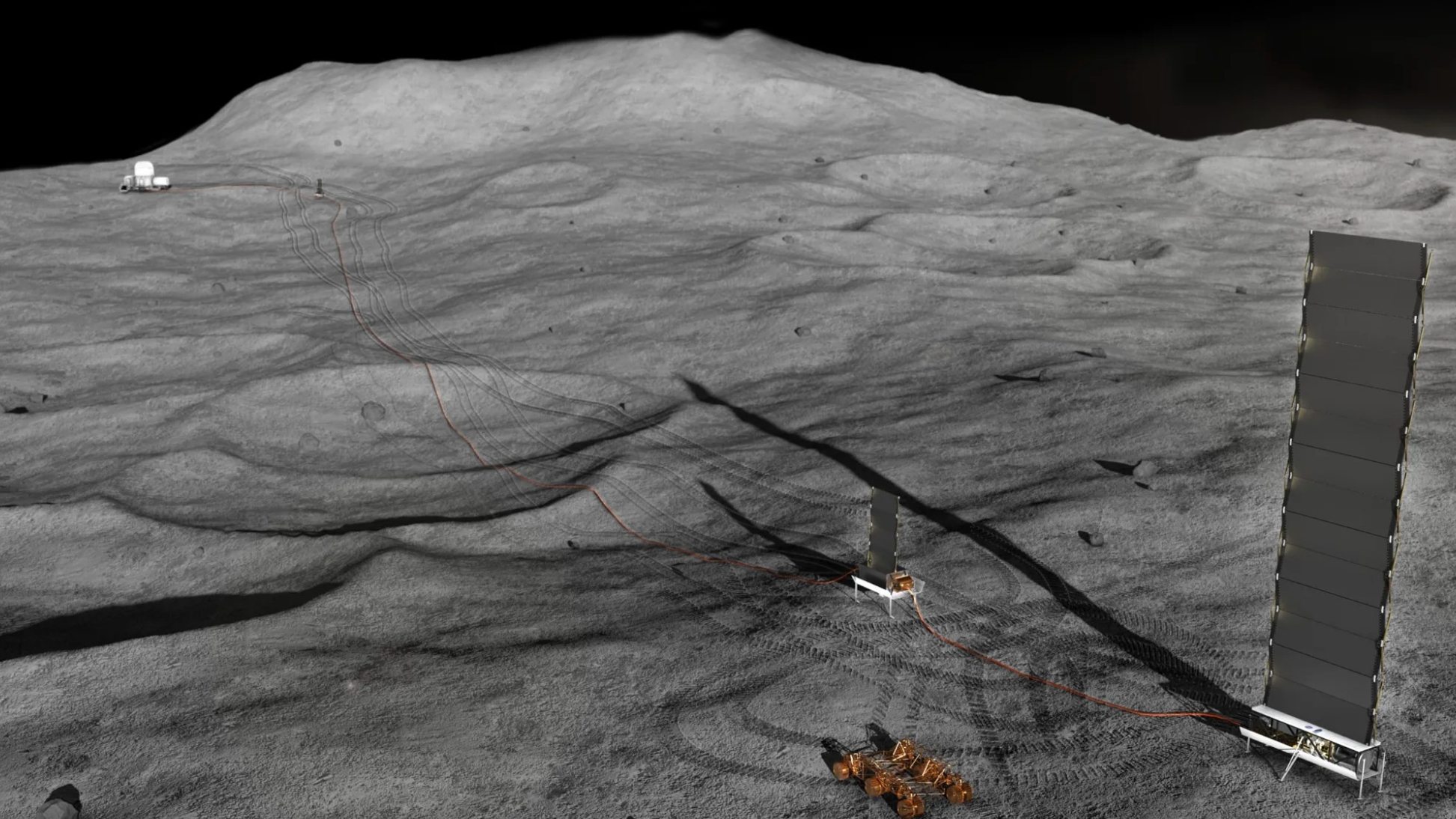
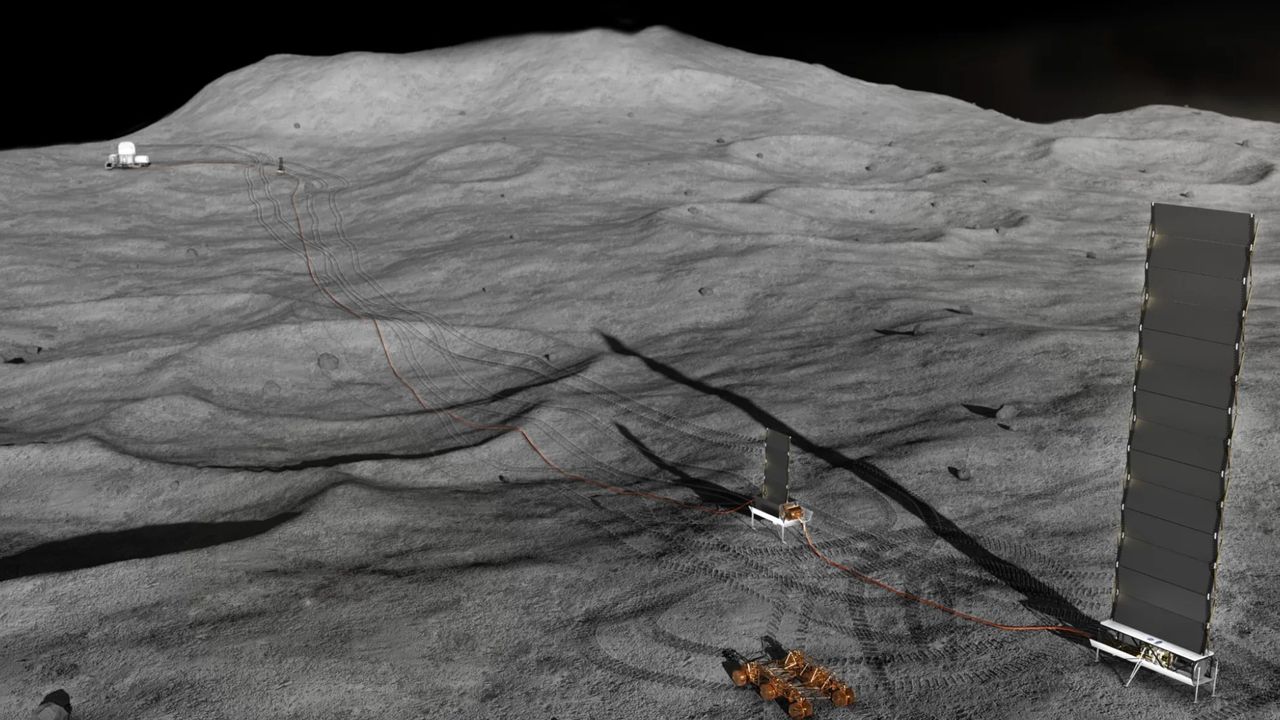
NASA is increasing its plans for nuclear power on the moon after years of development. The space agency wants to build a 100-kilowatt nuclear reactor on the lunar surface by 2030. This is a major upgrade from their original goal of building a 40-kilowatt reactor in the early 2030s.
Nuclear fission reactor generates electricity through controlled splitting of atoms. These systems are important because they produce continuous energy that doesn't depend on sunlight. Building them on the moon presents unique technical challenges including transportation of materials, radiation shielding in low-gravity, and remote operation.
Why Nuclear Power is Needed

The moon experiences 14-day nights due to its slow rotation. Daytime periods receive constant sunlight and lunar nights have extreme darkness. This makes solar panels unreliable as a primary power source since batteries large enough to store two weeks of energy would be too massive.
A 100-kilowatt reactor could power life support systems, scientific instruments, communication equipment, and habitats simultaneously. This much energy could support:
- Continuous lighting and heating of habitats
- Water recycling and oxygen generation systems
- Rover charging stations
- Geological research equipment
Artemis Program and Lunar Base Plans
This project is part of the Artemis program that aims to return astronauts to the moon and establish permanent bases. NASA's long-term vision includes having astronauts living on the moon for extended periods by the 2030s at specially chosen landing sites that offer better scientific value.
Regular spacecraft landings will deliver construction materials module-by-module. The nuclear reactor would likely be assembled robotically before human arrival, with astronauts completing final connections during surface missions.
Race for Lunar Leadership
China and Russia are collaborating on their own moon base project called the International Lunar Research Station. NASA's accelerated timeline appears partly motivated by this international competition.
A Politico report suggests the first nation to install a lunar reactor could establish a "keep-out zone" around their facility, potentially limiting other countries' exploration activities in key locations. The reactor site selection will consider factors like proximity to water ice deposits and surface stability.
NASA Leadership Changes
Interim NASA chief Sean Duffy is expected to formally announce the new reactor goal. Duffy was appointed in July after serving as Transportation Secretary. Leadership changes continue at NASA amid ongoing efforts to establish America's permanent presence on the moon.
