
Earth's "Oldest" Impact Crater Far Younger Than Scientists First Thought
Scientists have been studying ancient meteorite impacts to learn about Earth's 4.5-billion-year history. Recently, there was surprising news about what was thought to be Earth's oldest impact crater - it turns out to be much younger than previously believed according to new research.
Conflicting Findings About Australia's Ancient Crater
In Australia's remote Pilbara region, scientists discovered meteorite impact evidence at North Pole Dome (a rocky area named for its location, not because it's cold). Originally, one research team claimed this crater was 3.5 billion years old and over 100 miles wide. They thought it might have shaped continents and influenced early life.
However, a new study now says this impact actually happened at least 800 million years later, after 2.7 billion years ago, and was only about 10 miles across - too young and small to affect early Earth development.
How Geologists Find Impact Evidence
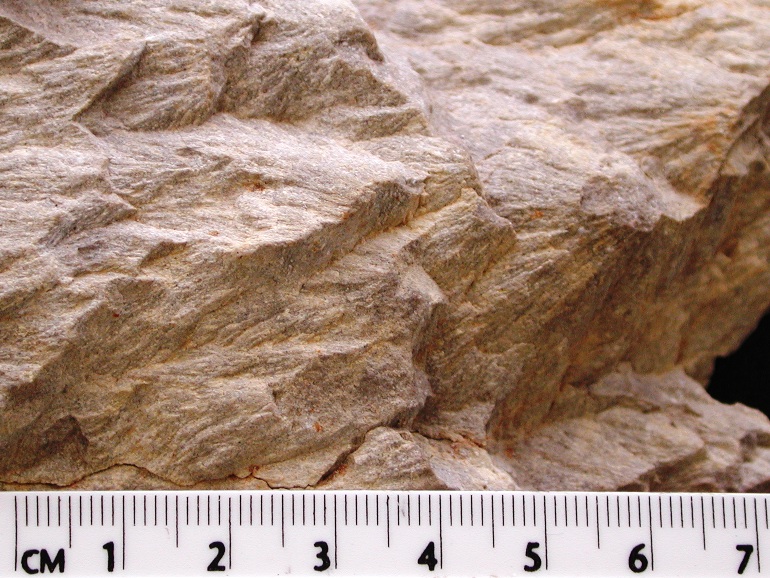
Scientists look for special rock formations called shatter cones, formed when intense shock waves pass through rock during meteorite strikes. Both research teams found these at the Pilbara site, now called Miralga Impact Structure to honor the Aboriginal Nyamal people.
The Dating Dilemma Explained
The original age estimate came from the law of superposition - the principle that older rocks layer beneath younger ones. The first team found shatter cones only below 3.47-billion-year-old rocks.
But the newer study found shatter cones above 2.77-billion-year-old lava layers. This meant the meteorite hit after those rocks formed, pushing the impact date forward dramatically. The exact age remains uncertain, estimated between 2.7 billion and 400 million years ago.
Why This Crater Still Matters
While not the oldest, Miralga provides unique insights. Its rocks are Earth's oldest known examples to bear meteor impact scars. Before the impact, these rocks had been altered by seawater and contain fossils of early life, similar to environments on Mars.
This makes Miralga an important site for scientists studying Martian craters. Rock samples here can help test instruments designed for future Mars exploration missions.
The research shows how scientific understanding evolves through careful reexamination of evidence. New discoveries in this ancient landscape may help unlock mysteries about our planet's history - and our neighbor Mars.
