
Veteran NASA Astronaut Butch Wilmore Retires After 25 Years of Cosmic Exploration
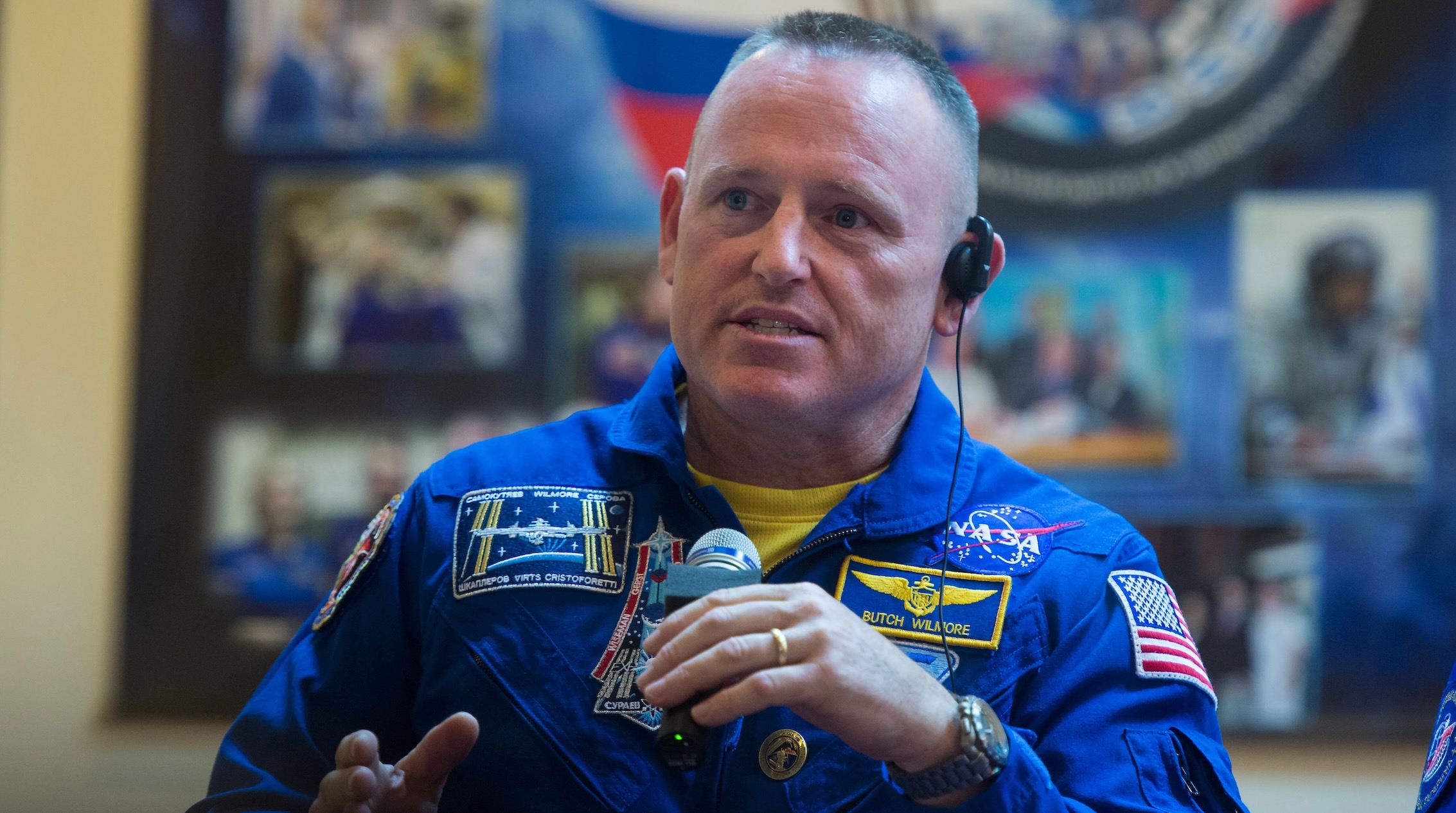
Captain Barry "Butch" Wilmore addressing personnel during his final days at NASA. The spacefaring veteran accumulated 464 space days across three decades. (Image: NASA)
NASA's astronaut corps bids farewell to one of its most distinguished members this week as Captain Barry "Butch" Wilmore concludes his remarkable 25-year journey with the space agency. The Tennessee native, whose career bridges pivotal eras in American spaceflight from the shuttle program to commercial crew capsules, leaves behind an indelible legacy of technical excellence and inspirational fortitude.
- Steve Koerner, Acting Director of NASA's Johnson Space Center
A Pioneering Career in Three Acts
Selected as an astronaut candidate in July 2000, Wilmore brought a unique pedigree to NASA. As a decorated Navy test pilot and combat veteran with 21 combat missions during Operation Desert Storm, he'd already demonstrated exceptional aviation prowess. This foundation proved critical as he transitioned from atmospheric flight to the unforgiving environment of space.
By the Numbers: Wilmore's Cosmic Journey
• Total spaceflights: 3 distinct missions across 24 years
• Spacecraft flown: Space Shuttle Atlantis, Russian Soyuz, Boeing Starliner
• Cumulative time in space: 464 days orbiting Earth
• Spacewalks conducted: 5 EVA excursions totaling 32 hours
• Miles traveled: Approximately 196 million orbital miles
Space Shuttle to Starliner: An Odyssey of Firsts
Launching Dreams on Atlantis
Wilmore's spaceflight career began with the thunderous roar of shuttle Atlantis on November 16, 2009. As pilot for STS-129, he helped deliver 30,000 pounds of critical spare parts to the International Space Station during a mission NASA described as "the halfway point" for station assembly. The 11-day flight marked the last scheduled crew rotation flight for the shuttle program.
Mastering Long-Duration Spaceflight
Returning to orbit in September 2014, Wilmore commanded Expedition 41/42, a marathon 167-day tour aboard the ISS. Traveling aboard Russia's venerable Soyuz spacecraft, Wilmore's leadership timeframe coincided with breakthrough research in fluid physics, combustion science, and Earth observation. His adaptation to prolonged weightlessness provided NASA valuable data on human resilience.
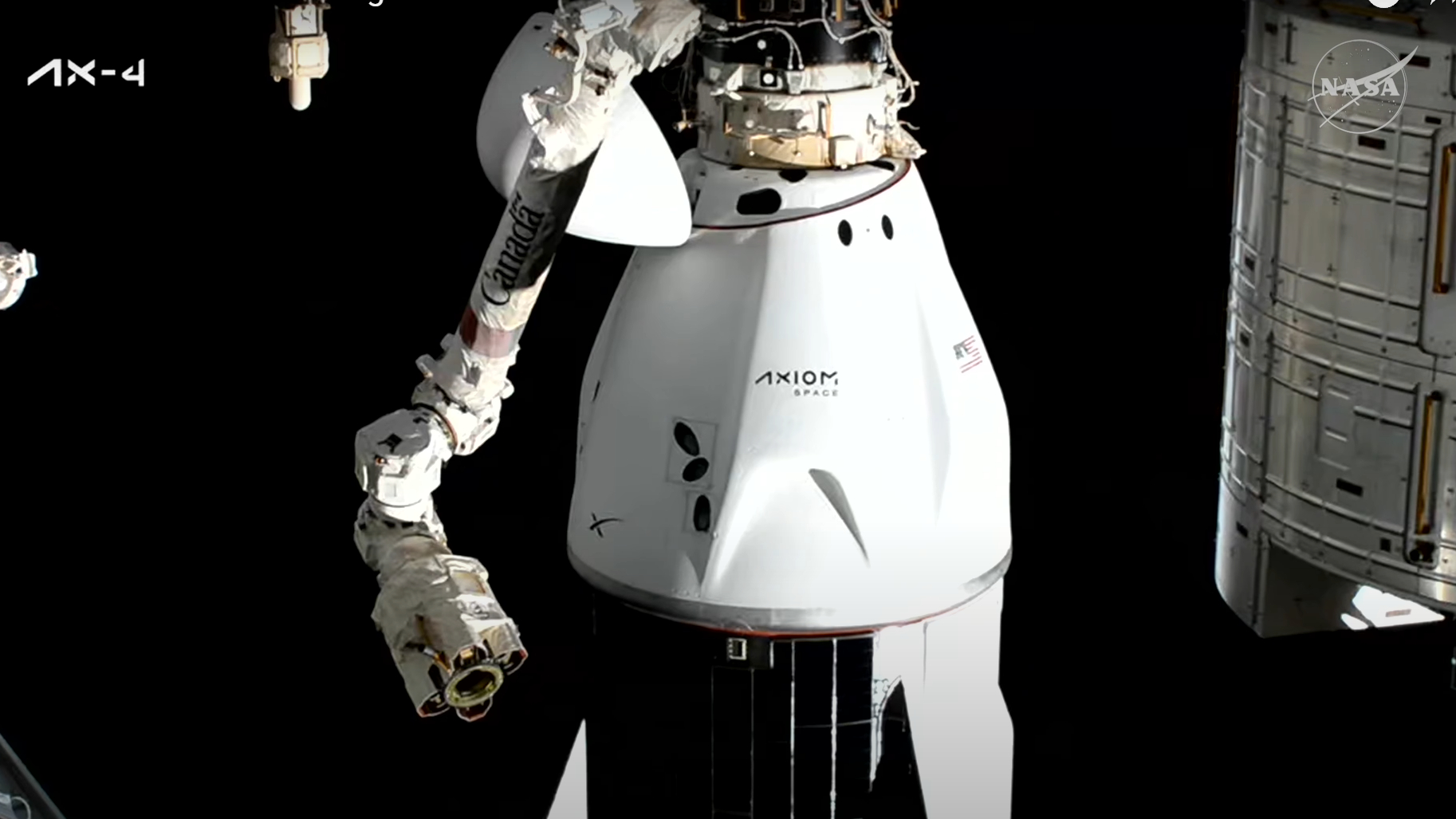
The Boeing Starliner spacecraft that transported Wilmore and Williams to the ISS in 2024. Technical challenges led to an extended mission. (Image: NASA)
The Starliner Crucible: Leadership Under Pressure
Wilmore's final mission became the most historically significant—and unexpectedly challenging. Selected as commander for Boeing's first crewed Starliner demonstration (CFT-1) in June 2024 alongside astronaut Sunita Williams, Wilmore piloted the inaugural crew voyage of America's newest human-rated spacecraft. The mission immediately encountered multiple anomalies including thruster malfunctions and helium leaks.
"What was planned as an eight-day test flight transformed into a nine-month examination of problem-solving under pressure," explains former astronaut Chris Hadfield. "Butch and Suni became floating engineers—methodically testing systems, documenting anomalies, and maintaining operational readiness amid uncertainty. Their patience became a masterclass in spaceflight professionalism."
Earthbound After Nearly 300 Days
When NASA decided to return Starliner autonomously due to unresolved technical concerns, Wilmore and Williams returned aboard SpaceX's Crew Dragon, closing their record-breaking mission in March 2025. Their 298-day mission exceeded the time of any previous rookie spacecraft crew—an unplanned endurance test that provided invaluable engineering insights.
A Cosmic Perspective on Earth and Beyond
In official retirement statements, Wilmore reflected on how space shaped his terrestrial perspective: "From my earliest days, I've been captivated by the marvels of creation. This curiosity propelled me into the skies, and eventually to space, where the magnificence of the cosmos mirrored the glory of its creator in ways words can scarcely convey. Even beyond Earth's limits, I remained attuned to the intricate design woven into the fabric of life at home."
Professor Kathryn Thornton, veteran of four shuttle missions, contextualizes Wilmore's impact: "Butch represents the vital bridge between NASA's historic achievements and its ambitious future. His career encompasses shuttle operations, ISS science leadership, and commercial crew development—the full spectrum of modern astronaut responsibilities. That institutional knowledge is irreplaceable."
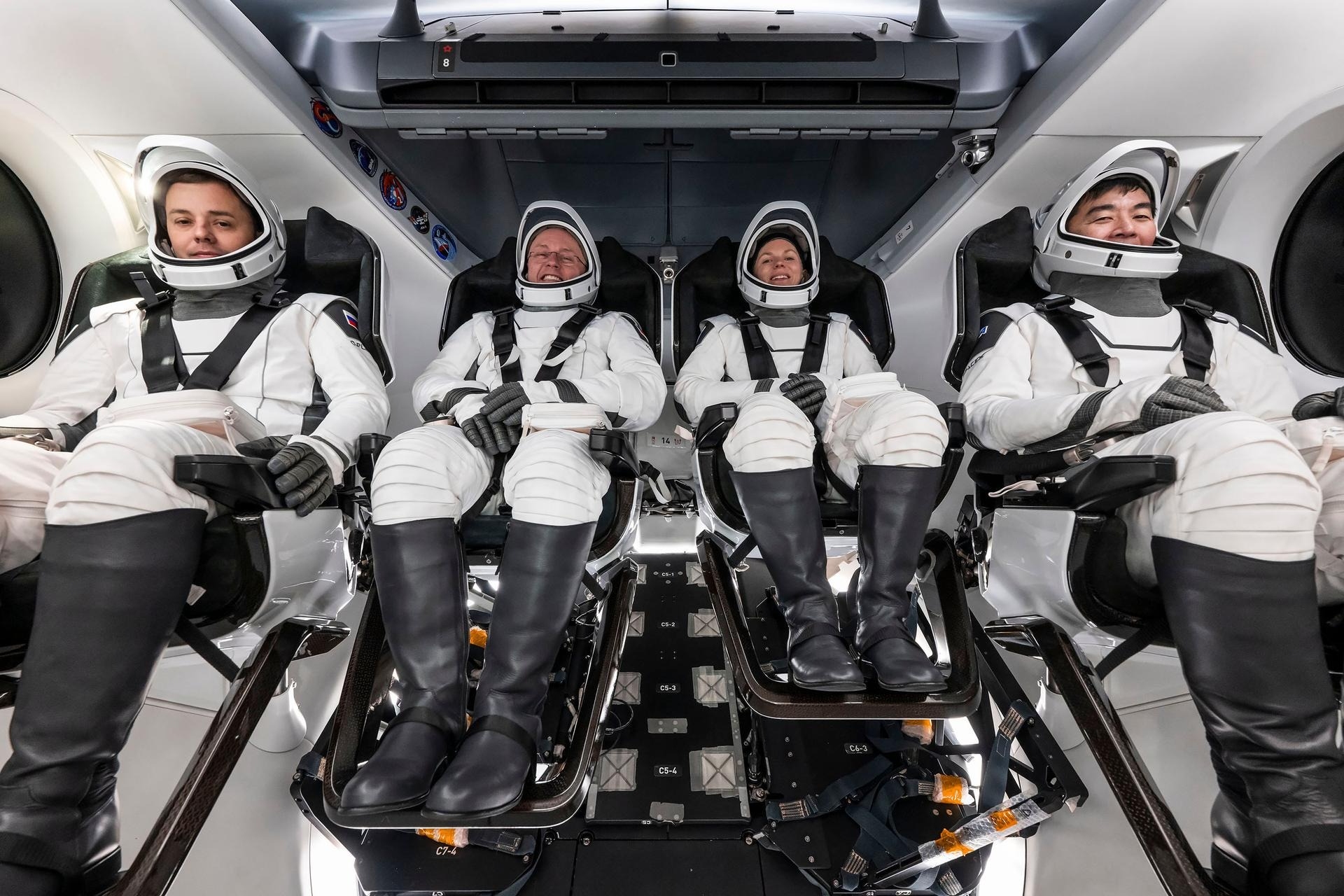
Wilmore's 2000 astronaut class photographed during training. This cohort helped transition NASA through the shuttle's retirement and ISS era. (Image: NASA)
The Next Frontier
While NASA hasn't announced Wilmore's post-retirement plans, colleagues speculate his expertise will benefit either commercial space development or STEM education. His departure follows closely behind astronaut Kate Rubins' July retirement, signaling generational change in the astronaut corps as Artemis moon missions approach.
From space shuttle cockpits to lunar gateway plans, Butch Wilmore's journey embodies NASA's evolution over a quarter-century. As the agency prepares for humanity's return to the Moon, his legacy persists in the procedures written, the explorers inspired, and that intangible quality astronauts call "the right stuff"—a calm competency that transforms dangerous missions into routine operations, and exceptional individuals into enduring legends.
