
Vulcan Centaur Primed for First National Security Mission on August 12
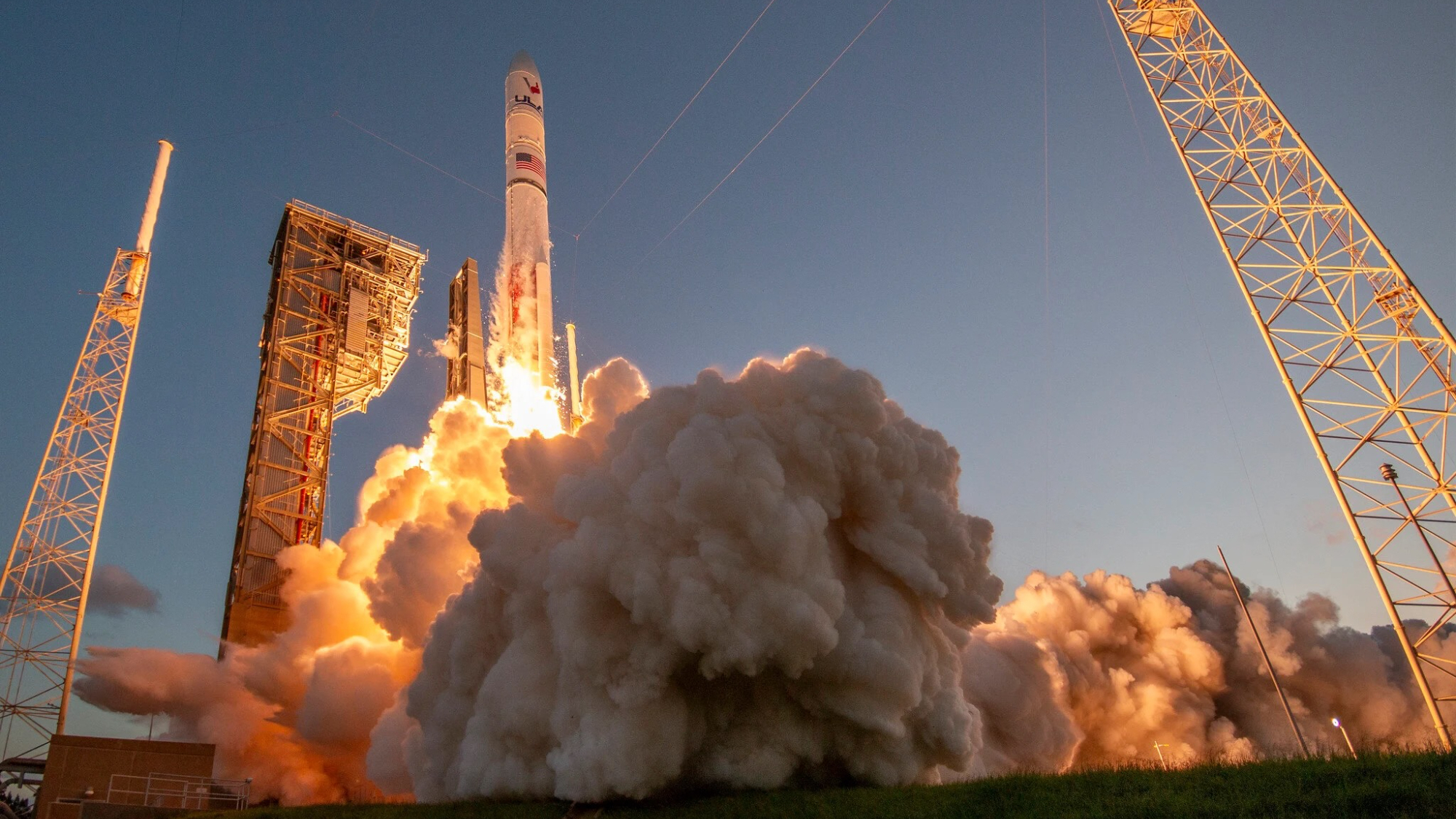
The skies above Cape Canaveral will witness aerospace history next week as United Launch Alliance (ULA) prepares to loft its powerful Vulcan Centaur rocket on its first-ever national security mission. Scheduled for an August 12 liftoff, the flight marks a pivotal moment for America's next-generation launch capabilities.
A Strategic Milestone for U.S. Space Dominance
The mission designated USSF-106 will deploy undisclosed payloads directly to geosynchronous orbit for the United States Space Force's Space Systems Command. This represents a critical validation for ULA's ambitious next-generation rocket, conceived to replace the venerable Atlas V. What makes this flight particularly significant? It's the culmination of over a decade of development and rigorous testing to meet the exacting standards required for national security space access.
"This launch ensures crucial payloads reach their precise orbital destinations," explained Tory Bruno, ULA's CEO, in recent briefings. "Vulcan combines the reliability heritage of Atlas and Delta rockets with 21st-century innovations to meet evolving national security requirements."
Third Flight, First Big Test
Vulcan Centaur arrives at this milestone with a perfect, though brief, flight record:
January 2024: The Inaugural Flight
The rocket successfully launched Astrobotic's Peregrine lunar lander, though the spacecraft later suffered a critical propulsion failure unrelated to the launch. The flawless ascent showcased Vulcan's ability to deliver payloads beyond Earth orbit, hitting precise trajectory parameters necessary for lunar missions.
October 2024: Certification Proving Ground
ULA conducted a high-stakes test flight using an inert payload after Sierra Space's Dream Chaser wasn't ready. During this demonstration, the rocket faced—and overcame—an engine nozzle failure on one of its solid rocket boosters. Military observers noted how Vulcan compensated for the anomaly without mission impact, a critical capability for high-value launches where failure isn't an option.
"Vulcan certification adds launch capacity, resiliency and flexibility needed by our nation's most critical space-based systems."
- Brig. Gen. Kristin Panzenhagen, Space Force’s program executive officer for assured access to space
The Final Hurdle: Military Certification
In March 2025, Vulcan Centaur cleared its most significant hurdle when the Space Force formally certified the rocket for national security launches. This ended SpaceX's monopolistic hold on such missions and shifts the manifest landscape for years to come. The blue-ribbon final review scrutinized manufacturing processes, flight anomaly responses, and engineering documentation that make up Vulcan's DNA.
Technical Capabilities Take Center Stage
For the USSF-106 mission, Vulcan Centaur will utilize its most powerful configuration:
- The Centaur V upper stage will perform direct insertion to geosynchronous orbit, bypassing intermediate parking orbits to reduce vulnerability to orbital threats.
- Twin GEM-63XL solid rocket boosters will lift the rocket through atmospheric max-Q.
- The BE-4 engines (developed by Blue Origin) use methane propellant to deliver over 1.1 million pounds of thrust.
This configuration positions Vulcan Centaur between SpaceX's Falcon 9 and Falcon Heavy in terms of payload capacity to geosynchronous orbit, filling a strategic niche in the military's launch architecture.
The New Era of Assured Access to Space
The Space Force's certification not only approves Vulcan for current missions but reshapes America's orbital defense strategy. With Atlas V phasing out by 2030, the emergence of a second certified heavy-lift vehicle allows mission planners to distribute launches based on:
- Complexity and mass requirements
- Launch schedule resilience
- Hybrid orbital deployment profiles
- Weather and technical contingency planning
As countdown clocks begin for the August 12 liftoff, what observers aren't hearing may be most significant: the absence of thunderous political battles over engine purchases or technology transfers that plagued earlier rocket programs. Through Vulcan Centaur, ULA has delivered a platform with domestic engines and clear upgrade paths. Now comes its baptism into America's orbital security shield.
The Road Ahead: Vulcan's Growing Manifest
With three more Vulcan flights already booked in 2026, including resupply missions to the lunar Gateway station and the inaugural Dream Chaser spacecraft deployment, USSF-106 represents more than a single mission. It's the opening chapter in the rocket's operational life cycle that will see nearly 70 missions in backlog, stepping into the void left by retiring Delta IV Heavy launches.
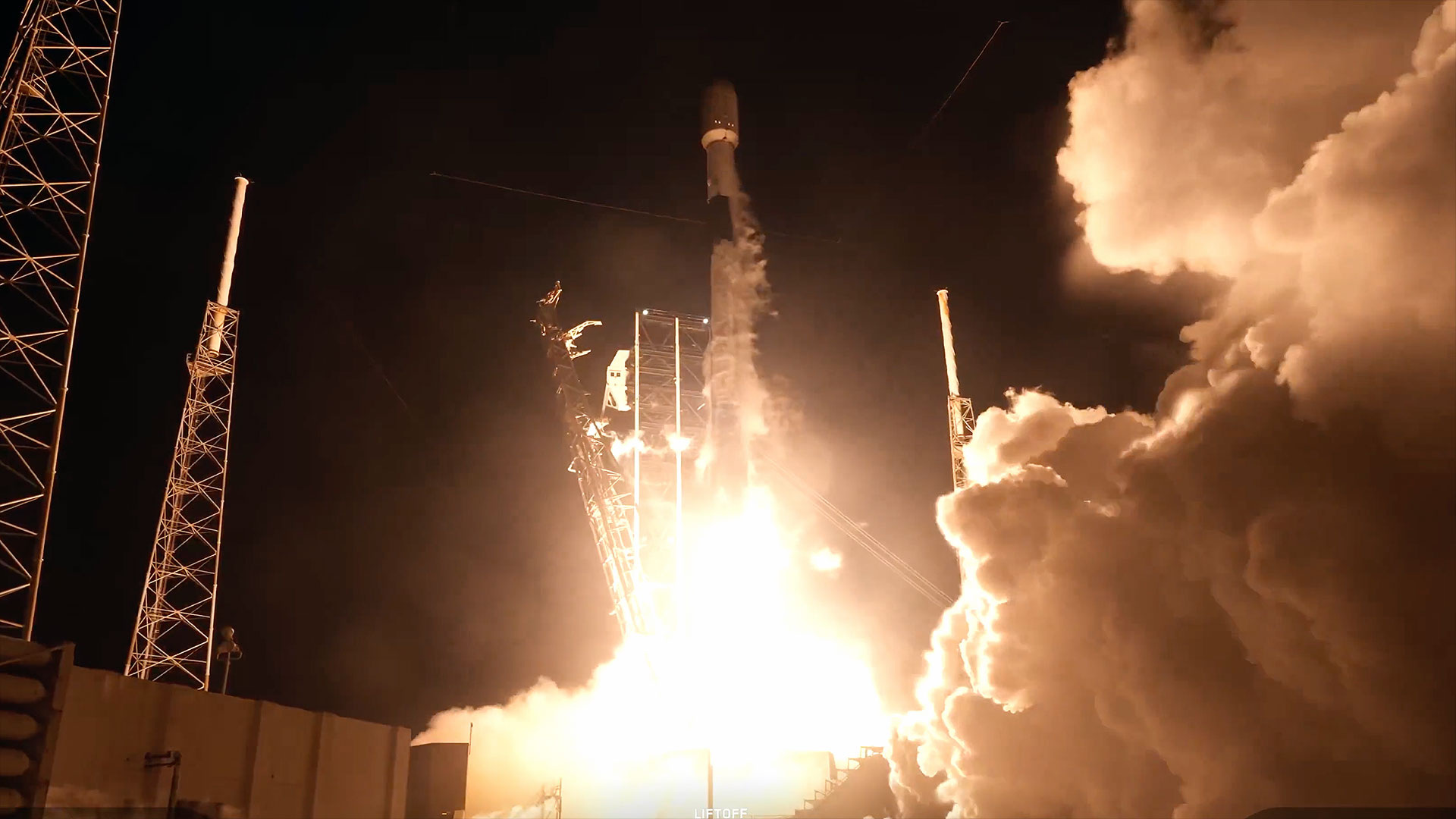
Weather permitting, the August 12 launch window begins at approximately 1:15 AM ET, painting Florida's Atlantic coast with the bright plume of American rocketry's newest workhorse—one poised to carry critical national security payloads for years to come.
