
Mars Looks Strangely Familiar in Stunning New Panorama
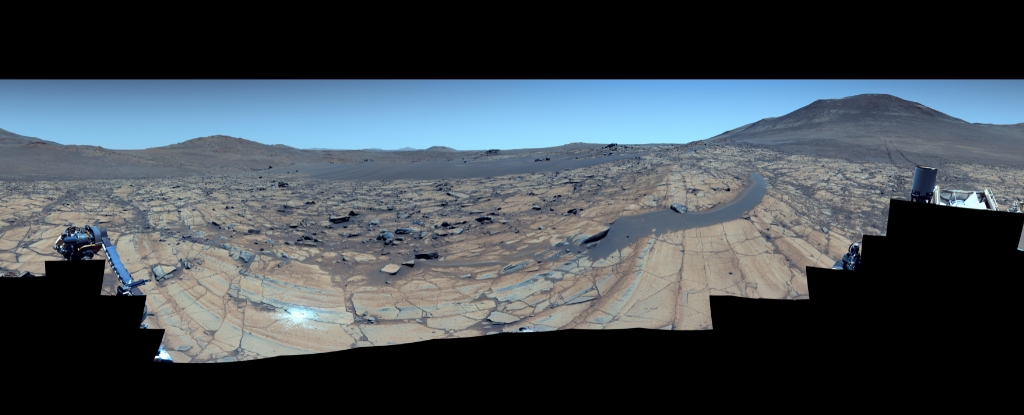
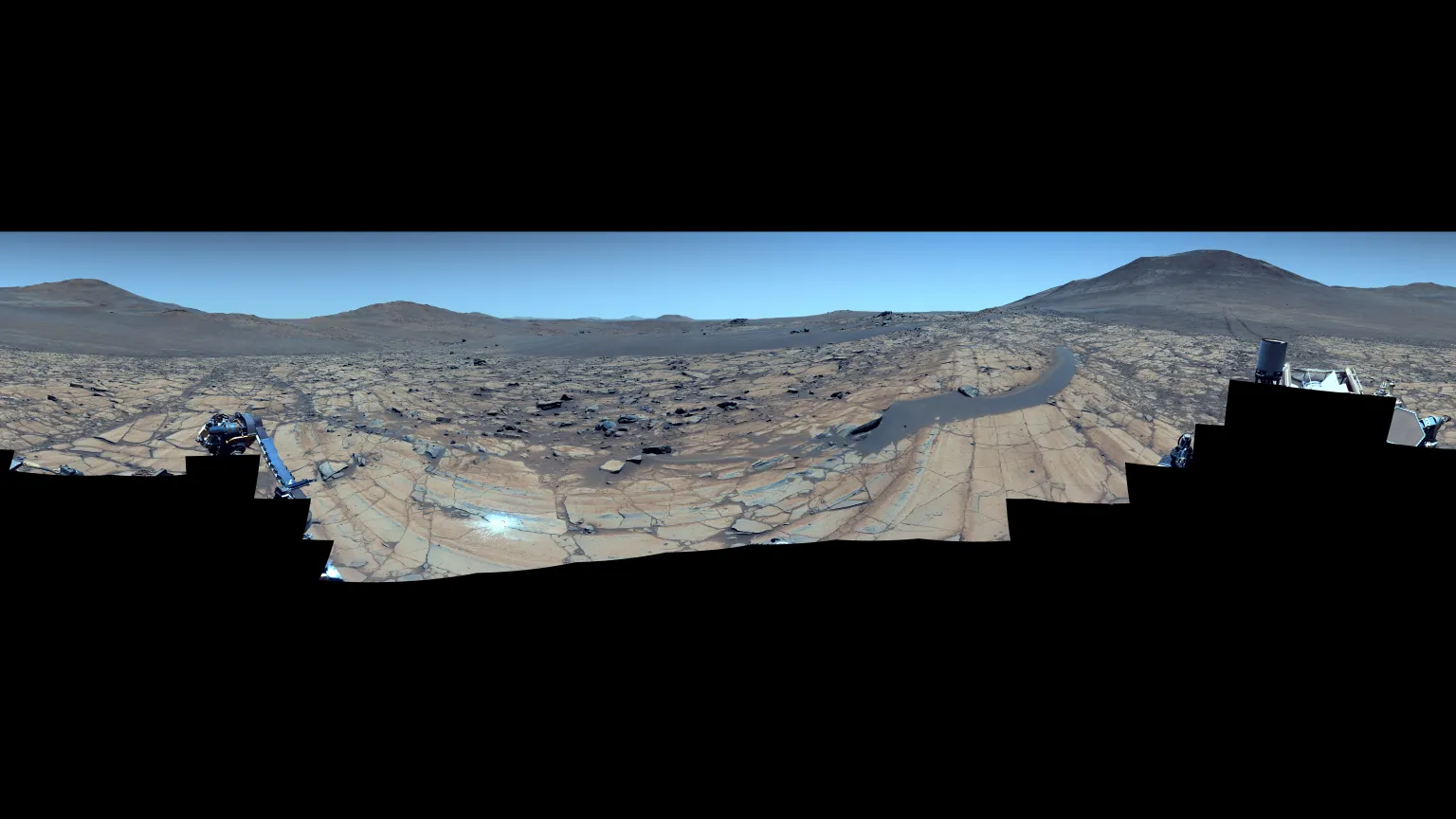
NASA's Perseverance Rover has captured a stunning 360-degree panorama of Mars that looks surprisingly similar to Earth's deserts. In the enhanced-color image, the skies appear blue and the rocky landscape feels almost familiar — like a scene from the Atacama Desert in Chile.
This realistic look is achieved by slightly enhancing the color contrast. Normally, Mars skies aren’t blue like this — they only appear that way during a sunset. The real Martian sky is more dusty and reddish.
A Clear View of Mars
According to planetary scientist Jim Bell, principal investigator of the rover’s Mastcam-Z cameras, the panorama was taken under “relatively dust-free skies,” giving a crystal-clear view of the surrounding terrain.
The mosaic is made up of 96 individual images stitched together to show the jagged rocks, rippling sand dunes, and distant hills of Mars.
Why Mars Feels Like Earth
The Atacama Desert in Chile is one of Earth's most Mars-like environments. NASA tests future rovers there because it has extremely dry conditions and very little life — perfect for simulating Mars exploration.
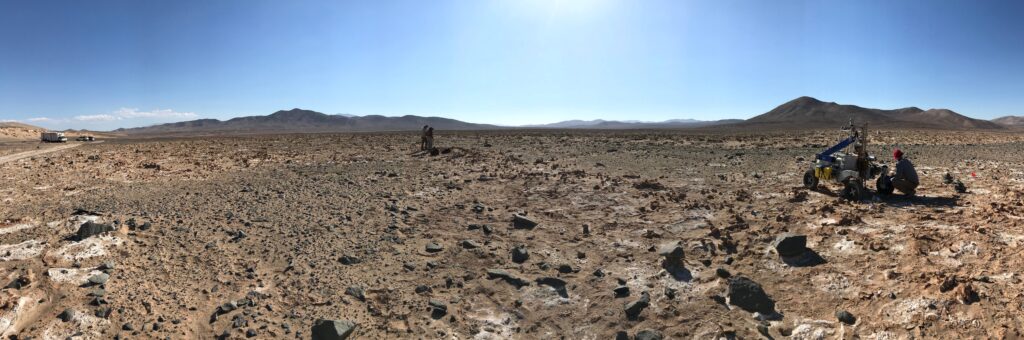
In fact, scientists have already found molecular evidence of life in this desert — one of the least biologically active places on Earth. The hope is that rovers like Perseverance might one day detect similar signs of life on Mars.
Natural vs. Enhanced Color
Here’s what the natural-color panorama looks like — much redder and with a dusty sky, unlike the blue seen in the enhanced version.
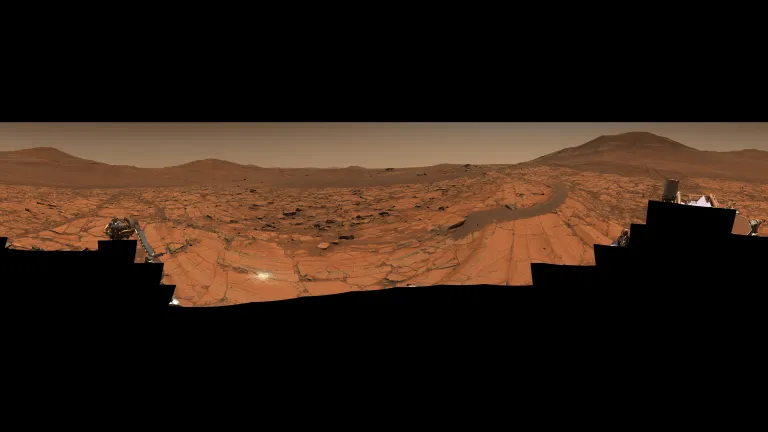
Although the red planet seems familiar in the enhanced images, it is still a very different world — with less than half the sunlight of Earth and an atmosphere less than 1% as thick as ours.
Frequently Asked Questions
Why does Mars look like Earth in these images?
The images have enhanced color contrast, making the skies look blue and the terrain appear more Earth-like.
What camera took these photos?
They were taken by the Mastcam-Z cameras on NASA's Perseverance Rover.
Where was this photo taken on Mars?
It was captured in the Jezero Crater region where Perseverance is exploring for signs of ancient life.
Why does NASA test rovers in the Atacama Desert?
The Atacama is one of the driest, most Mars-like places on Earth, making it ideal for testing rover technology.
What is the difference between natural and enhanced colors?
Natural color shows the true dusty-red Martian sky, while enhanced color exaggerates contrast for better detail.
